
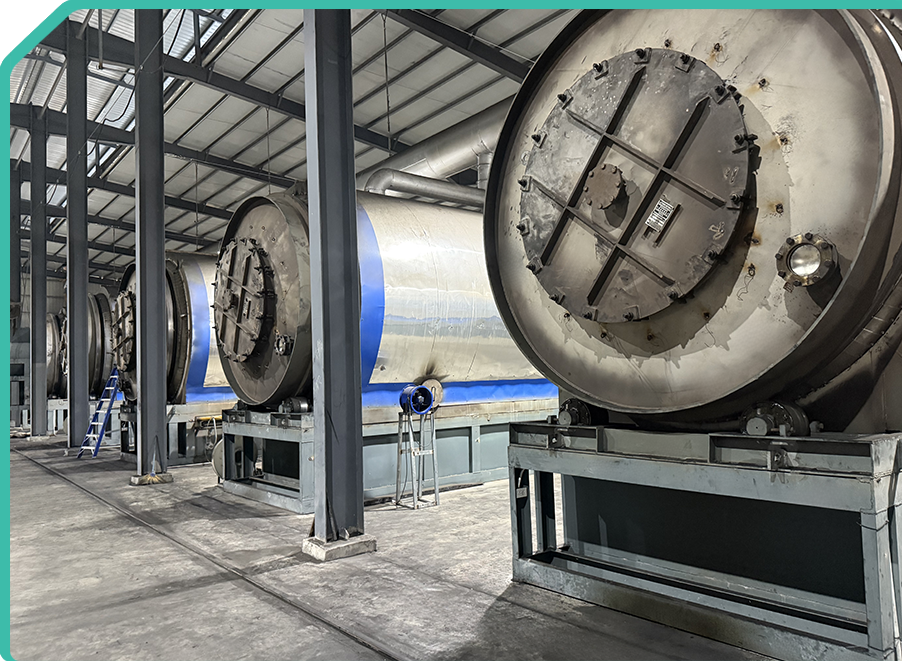
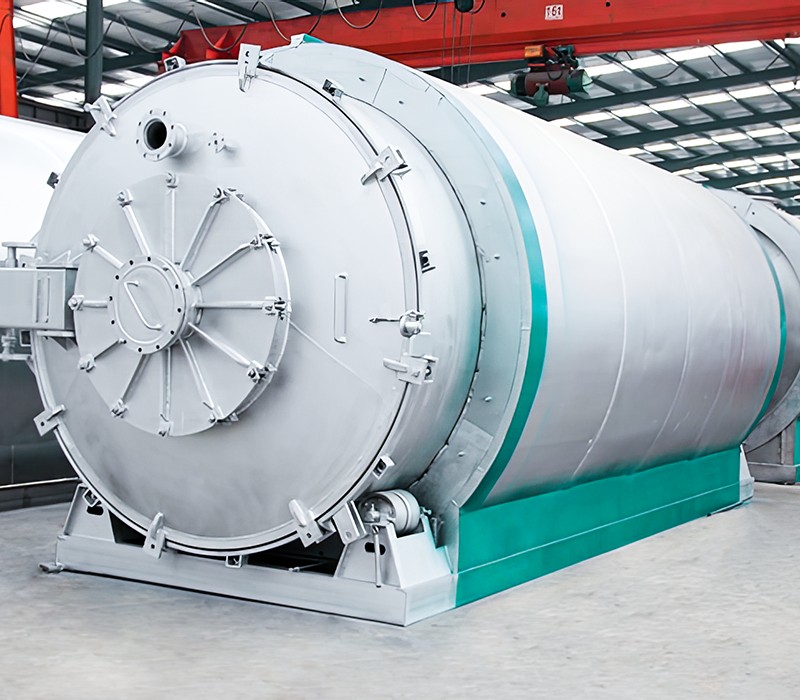
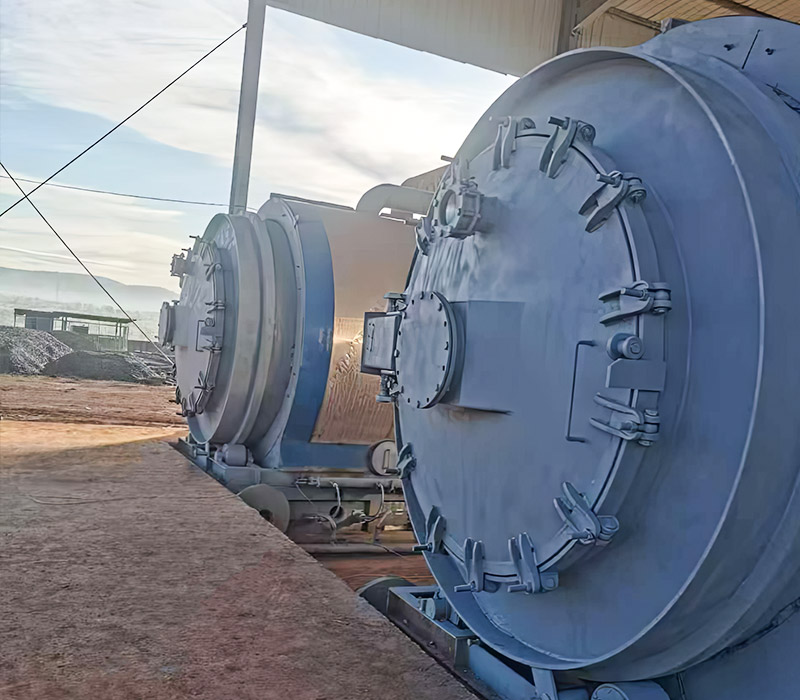
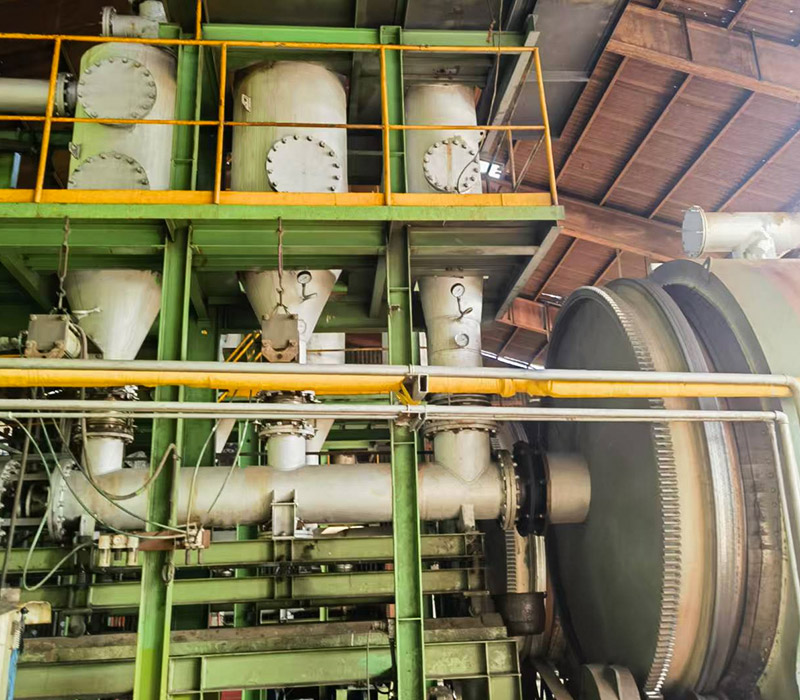
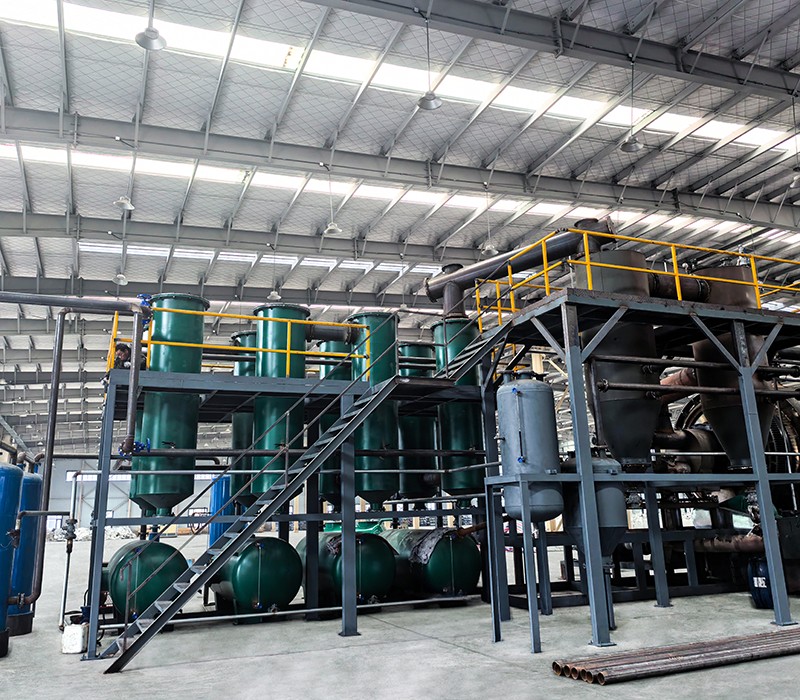
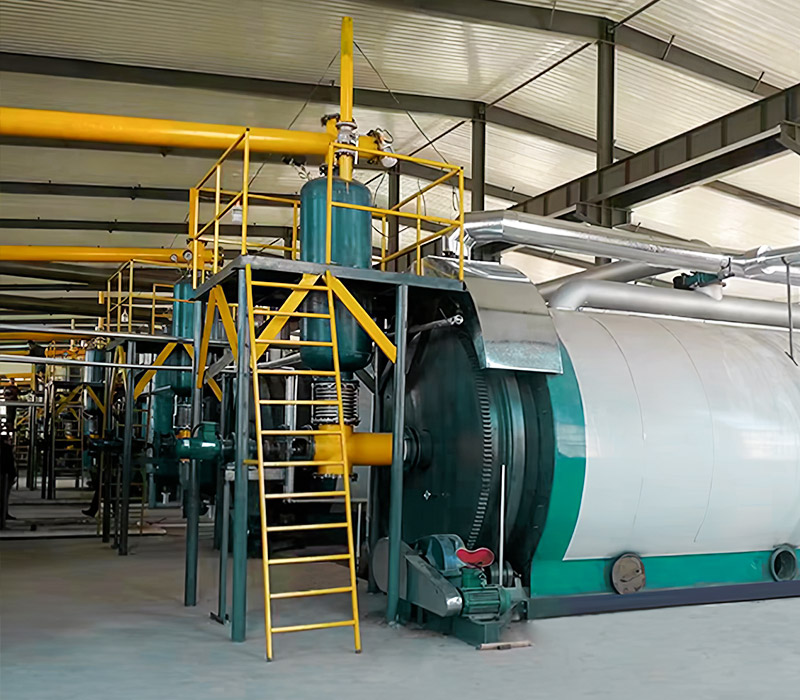
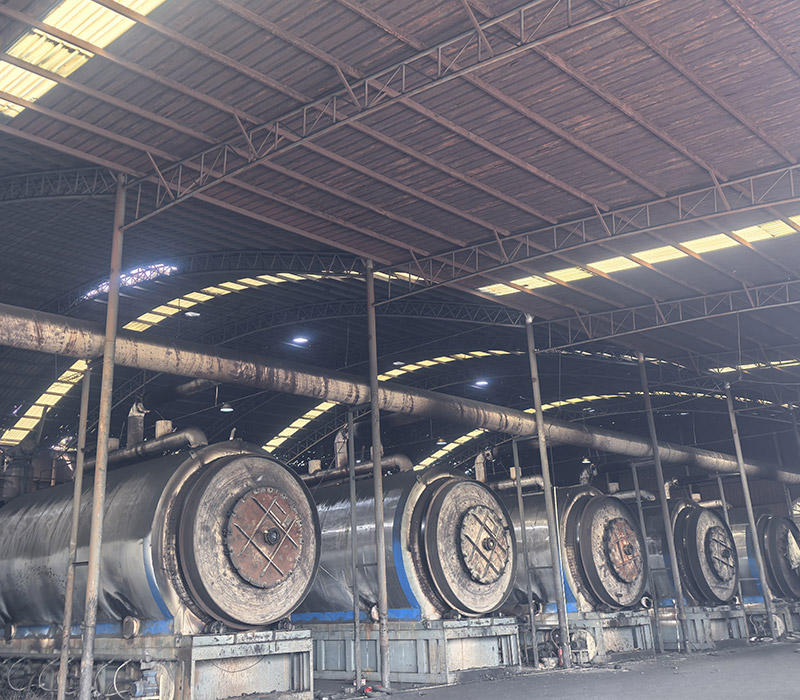
La planta de pirólisis por lotes (PB) es relativamente flexible y adecuada para reciclaje de desechos de escala pequeña y media. Procesa neumáticos/plásticos residuales y otros materiales en el fuel oil, manejando 1-20 toneladas diarias. Diseñado para flexibilidad, combina material anti-incendio robusto, calentamiento directo/indirecto y operación ≤85dB. Las características de seguridad incluyen sistemas a prueba de explosión y sellos de agua, que permite una producción ecológica a pequeña escala.
Equipados con dispositivos a prueba de explosión, sistemas de sellos de agua, válvulas de seguridad y sistemas de alarma de alta temperatura, previene efectivamente la fuga de gas inflamable y los problemas de sobrepresión del sistema. Todas las piezas eléctricas adoptan un diseño de fuego y un diseño a prueba de explosiones, que se puede utilizar en áreas o industrias con altos estándares de seguridad.
Admite modos de combustión directa y calefacción indirecta, y es compatible con formas de energía como combustible, gas natural y reciclaje de gas combustible.
El ruido operativo del sistema es ≤85dB, que es adecuado para la implementación en lugares ecológicos cercanos a ciudades, fábricas o áreas residenciales.
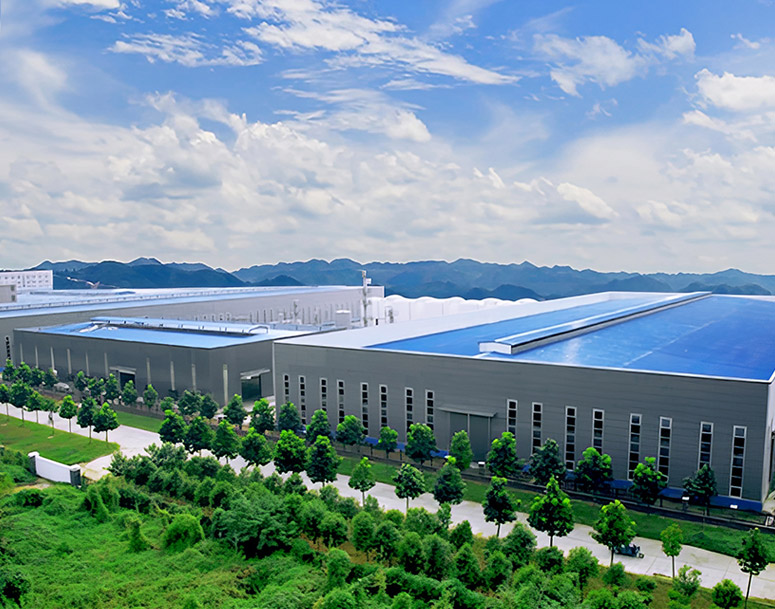

La empresa fue fundada
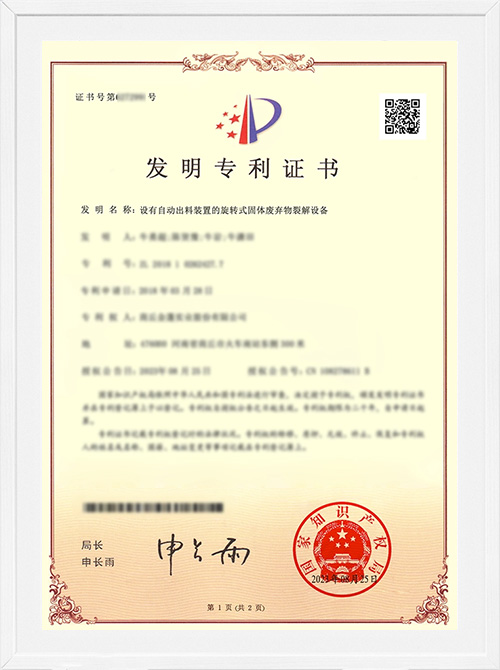
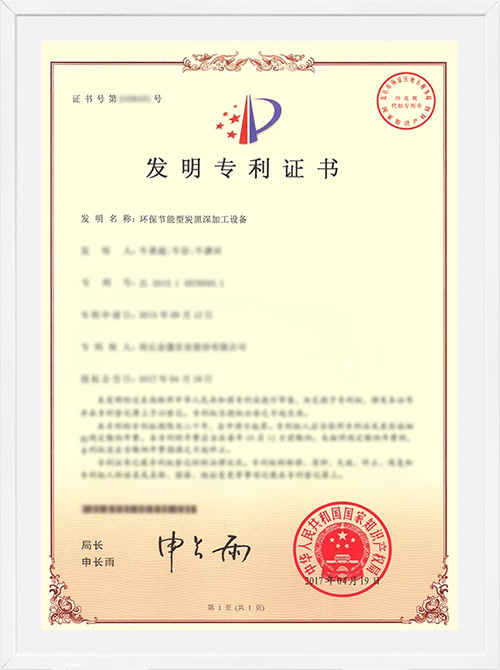
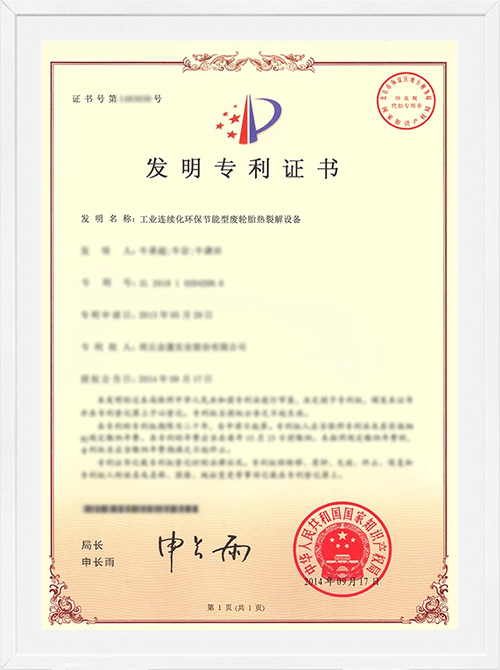
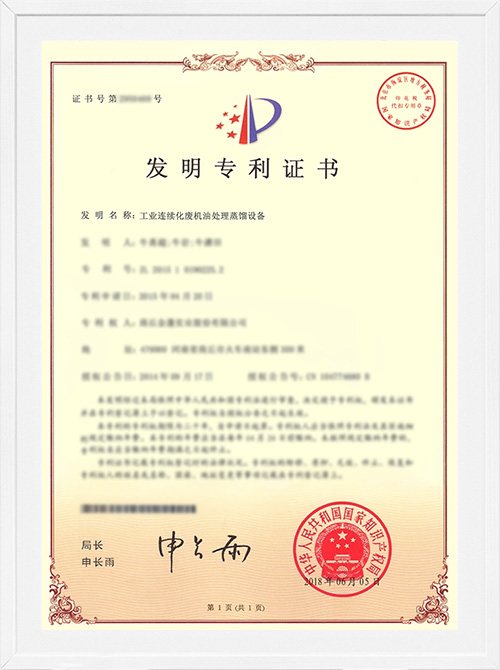
A Batch Pyrolysis Plant (PB) is a highly flexible and efficient system designed for small- and medium-scale waste recycling. It processes various waste materials, including tires, plastics, and other organic waste, converting them into valuable products like fuel oil, carbon black, and gas. This technology provides an environmentally friendly solution for managing waste while creating useful by-products.
Batch pyrolysis equipment operates on the principle of thermal decomposition in the absence of oxygen. In a typical batch process, waste materials are heated inside a sealed reactor, where they break down into smaller components. The process involves three main stages:
The ability to control the temperature and heating time makes batch pyrolysis highly adaptable for different types of waste, giving it an edge over continuous systems for smaller, variable-scale operations.
Batch pyrolysis is used primarily for recycling solid waste materials into valuable products. The most common materials processed include:
The products generated by batch pyrolysis include:
The batch pyrolysis plant offers several benefits for small and medium-scale waste recycling operations:
Before setting up a batch pyrolysis plant, several factors need to be considered:
Batch pyrolysis plants offer a viable solution for small to medium-scale recycling operations. Their ability to convert waste materials like tires and plastics into valuable by-products such as fuel oil and carbon black makes them an attractive option for businesses looking to reduce waste and generate alternative energy. With the right equipment and a well-planned setup, batch pyrolysis can provide both economic and environmental benefits.


Vamos a pirólisis!


 +44 7529 150720
  [email protected]
  A 300 metros al este de la estación de tren del Sur, en la ciudad de Shangqiu, provincia de Henan.
  Fabricante de equipos para el aprovechamiento de residuos

 Calculadora de ganancias
 English
 русский
 Français
 Español
 عربى
عربى